African-rooted and context-aware
We begin with history, culture, place and lived experience.
Research · Dialogue · Learning · Action
Relational Futures Institute is an independent Ghanaian research and learning organisation connecting community knowledge, rigorous inquiry and institutional action.
Why RFI exists
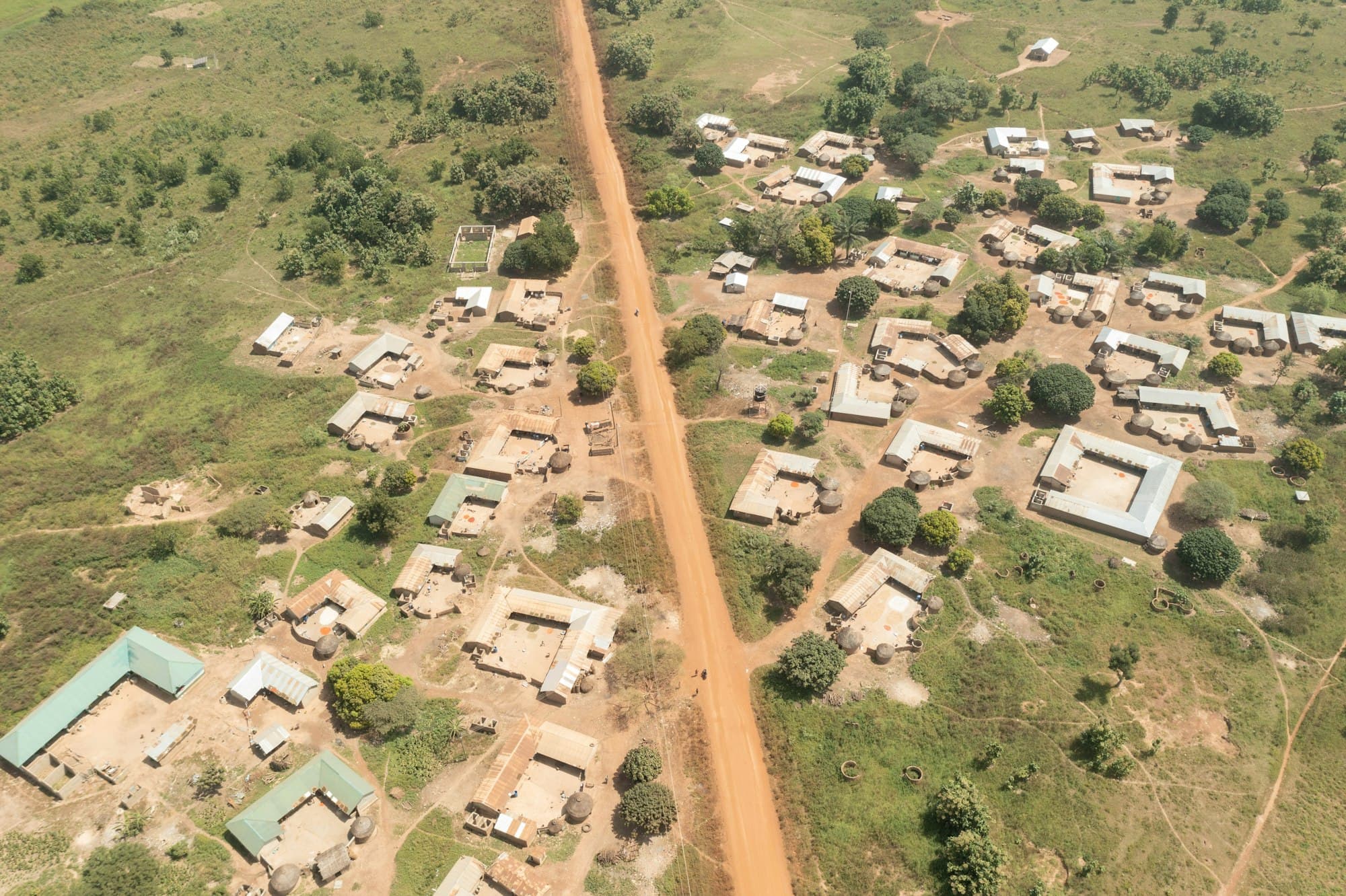
RFI helps communities and institutions understand change, preserve valuable knowledge and develop credible responses to social, environmental and institutional challenges.
Our work holds evidence, lived experience and long-term consequence together—turning inquiry into accessible knowledge, stronger capability and better decisions.
How we work
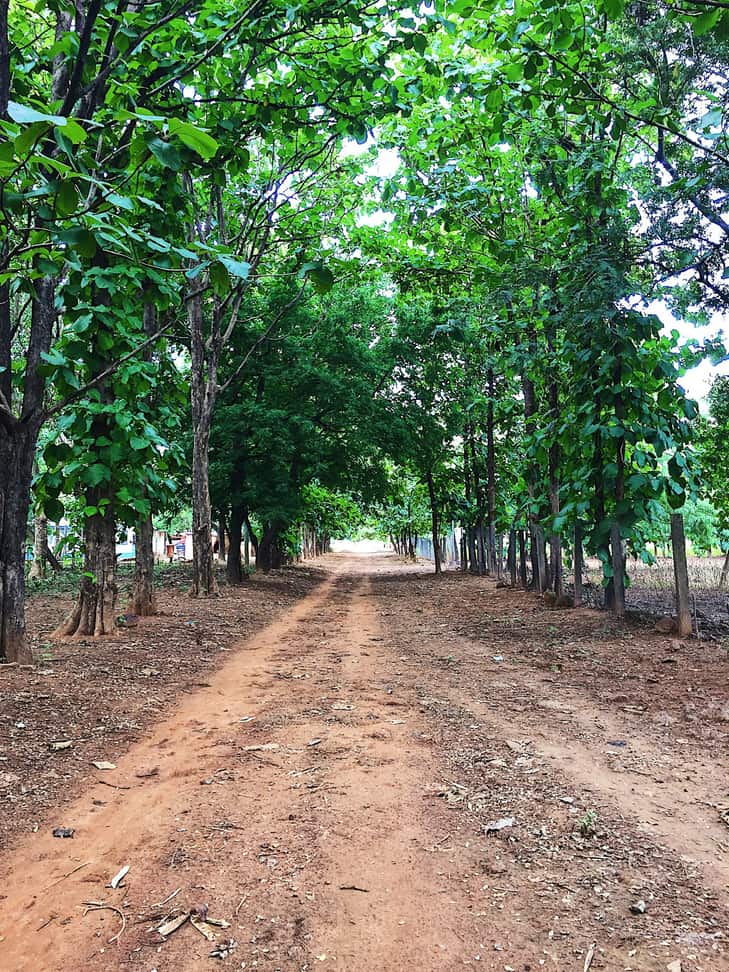
We begin with history, culture, place and lived experience.
We test assumptions and distinguish evidence from interpretation.
People are knowledge partners, not simply sources of information.
Research should strengthen capability, improve decisions or create useful public knowledge.
We attend to consent, ownership, power, exclusion and unintended consequences.
Our work
RFI works across living knowledge, climate, public policy and institutional capability.
A national research, documentation and public-learning platform for indigenous social systems and community knowledge.
Explore ↗Community-centred research and learning on climate adaptation, land, water, food systems, biodiversity and regenerative practice.
Explore ↗Participatory research, evidence and dialogue that connect lived realities to public and institutional decisions.
Explore ↗Foresight, strategy, knowledge management, leadership learning and organisational development for institutions navigating change.
Explore ↗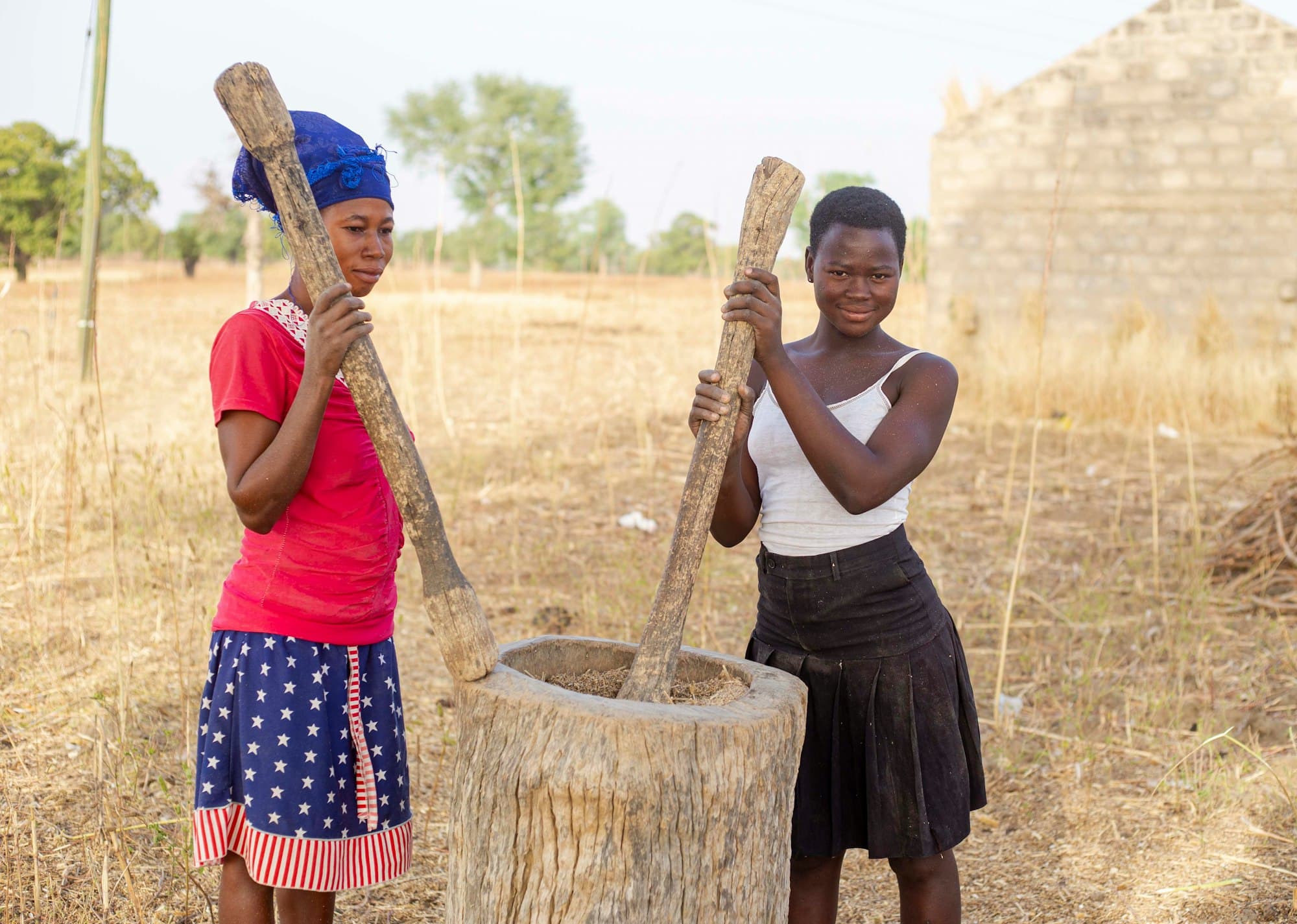
Ghana Living Systems Initiative
A proposed national platform to document indigenous governance, care, livelihoods, ecological knowledge, conflict resolution and knowledge transmission with communities as knowledge partners.
Explore the initiativeResearch agenda
Ideas and evidence
 Governance
Trust in government in Ghana has fallen over two decades, according to Afrobarometer surveys. This working paper sets out what the published survey data show, which institutions Ghanaians trust and why trust matters.
Read more Knowledge & Culture
Indigenous knowledge systems in Ghana guide how farmers read the weather, how communities protect forests and wildlife, how people heal and how cloth is woven. This working paper sets out examples, the evidence of their value and how the law protects them.
Read more Land & Governance
The land tenure system in Ghana rests mostly on customary land held by stools, skins and families. This working paper explains how the system works, who holds which rights, and why secure land rights matter for adapting to climate change.
Read moreWork with us
We welcome communities, universities, civil society, public institutions, foundations and responsible businesses seeking grounded research and credible collaboration.
Explore partnership opportunities →